
When families search for special needs housing for adults, they often encounter group homes, supported living arrangements, and traditional apartments. Each can be appropriate, but these options do not capture every possibility for adults with disabilities.
Inclusive housing offers another approach: homes and neighborhoods designed for people with different abilities, ages, and lifestyles. The same features that make a residence accessible for someone with a developmental disability can also benefit an older adult, someone recovering from surgery, or anyone seeking a connected community.
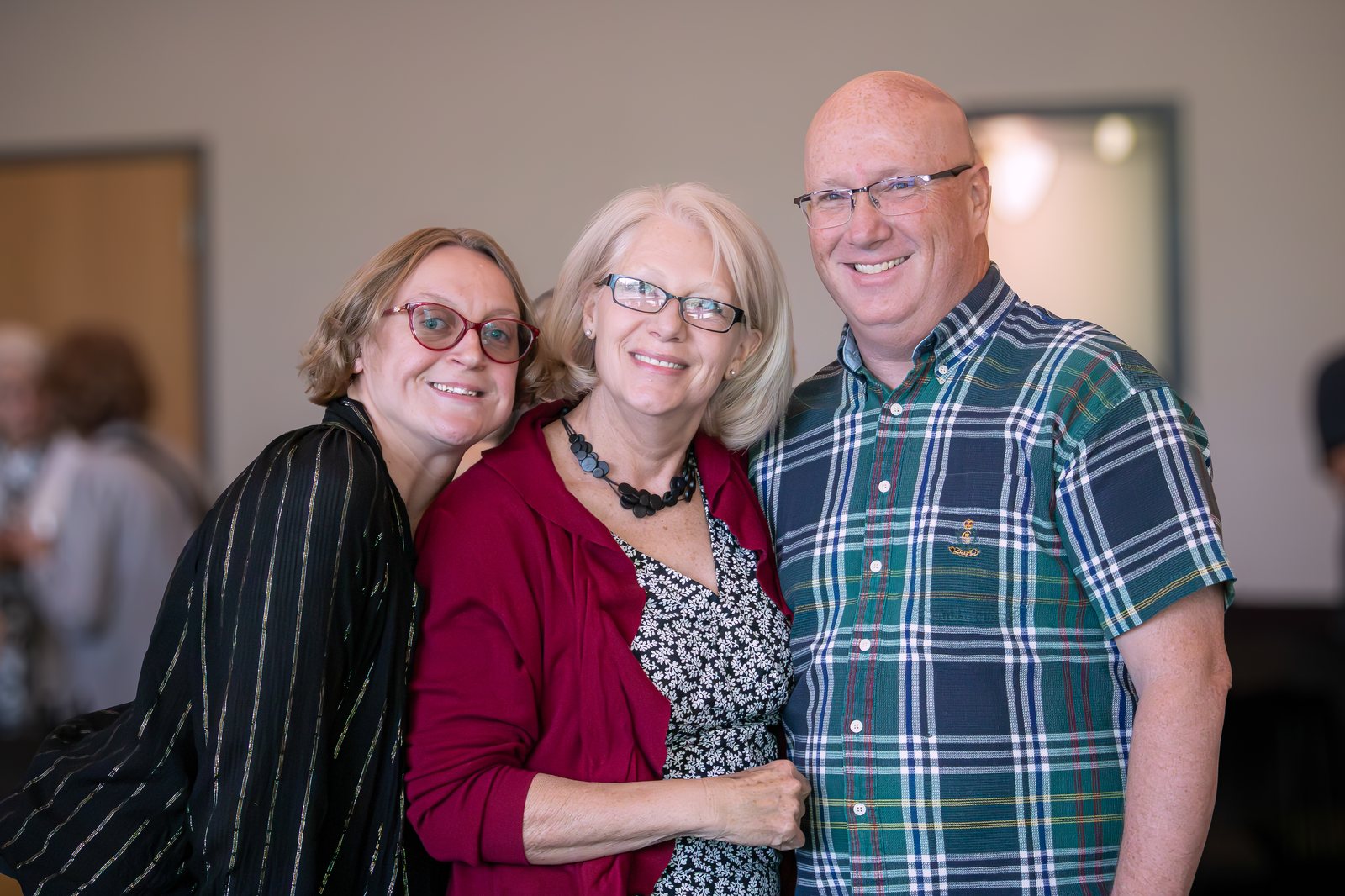
At Trailhead Community in Littleton, Colorado, adults with and without intellectual and developmental disabilities (IDD) live independently alongside one another. The goal is not to create a separate place for one population, but to expand housing choice for everyone.
What Is Special Needs Housing for Adults?
“Special needs housing for adults” is a common search phrase for residential options for adults with disabilities. More precise terms include housing for adults with disabilities, accessible housing, and inclusive housing. These arrangements range from residences with integrated personal care to private homes where occupants arrange any assistance separately.
The need for more options is substantial. The 2021 Inclusive Housing Denver Research Report cited data indicating that 73% of Colorado residents with IDD lived with and received support from a family member. Many families must plan for a future when that arrangement changes.
Independent living does not mean completing every task without assistance. As the Administration for Community Living emphasizes, it centers on choice, self-determination, and participation in community life.
For a deeper look at the basics, read our guide to independent living for adults with disabilities, which explains what independent living means and the options available.
What Are the Alternatives to Group Homes for Adults with Disabilities?
Group homes can provide valuable structured assistance and shared living arrangements. They remain a good fit for some people, particularly those seeking integrated daily support. But housing preferences and assistance needs vary.
Supported Living in Private Homes
Adults may live in a house or apartment and receive help from outside providers with cooking, transportation, personal care, or other daily tasks. This allows services to be tailored without tying every aspect of life to a residential program.
Traditional Apartments and Condominiums
Private apartments and condos offer control over routines, visitors, and living spaces. In an expanded survey reported in the 2021 Inclusive Housing Denver Research Report, 66% of respondents selected apartments or condominiums as a preferred housing type. This is a survey finding, not a statewide estimate, but it illustrates demand for familiar residential choices.
A conventional property, however, may lack accessible features or opportunities to meet neighbors.
Inclusive Community-Based Housing
Inclusive communities combine private homes with accessible design, shared spaces, and opportunities for everyday interaction among residents with and without disabilities.
Trailhead is one example. Its 81 residences form an intentional neighborhood where people live in their own homes and choose how to participate. Trailhead is not a group home, assisted living facility, or personal care provider. Residents arrange individualized assistance separately when needed.
Why Inclusive Housing Benefits Everyone
Universal Design Supports More Stages of Life
Universal design makes spaces usable by people with a broad range of abilities. Step-free entrances, elevators, wide hallways, accessible kitchens, clear wayfinding, and thoughtful lighting can help wheelchair users, older adults aging in place, families with strollers, and people with temporary injuries.
The 2021 Inclusive Housing Denver Research Report found that 81% of respondents in its design-preference survey favored pedestrian-oriented design. Participants also expressed interest in transit access, sensory-friendly environments, and places to spend time with friends.
Accessible housing is therefore about more than a doorway or bathroom. It includes how residents move through and experience their neighborhood. The U.S. Department of Housing and Urban Development offers guidance on housing accessibility and disability rights.
Different Generations Bring Different Strengths
An older adult may appreciate accessible amenities and nearby activities. A younger resident may enjoy neighbors with different experiences. An adult with a developmental disability may build relationships beyond disability-specific programs.
These opportunities arise when people share ordinary neighborhood life, not when everyone is expected to follow the same schedule.
Social Connection Should Be an Opportunity, Not an Obligation
A home can be physically accessible yet socially isolating. In the 2021 Inclusive Housing Denver Research Report, 36% of respondents in one survey reported not having friends. That finding helps explain why shared spaces and opportunities to connect deserve attention alongside housing design.
At the same time, inclusion respects privacy. Some neighbors enjoy group meals or classes; others prefer occasional conversation or quiet evenings at home. Independence includes choosing when and how to participate.
Trailhead Community: Inclusive Housing in Practice
Trailhead was developed around a practical question: how can adults with developmental disabilities establish independent lives while remaining part of a broader neighborhood?
Located in southwest Littleton, the community includes 81 residences and approximately 7,000 square feet of shared amenities, including an indoor sports court, fitness room, theater, craft areas, and gathering spaces.
Residents live in private homes and can participate in activities according to their interests. On-site staff are available 24 hours a day for community operations, but do not provide individualized medical or personal care.
The model recognizes that independence involves everyday decisions: choosing activities, building friendships, managing a household, and establishing personal routines.
Discover a Different Way to Live at Trailhead
Trailhead welcomes residents with and without disabilities who value accessible design, personal independence, and community connection. Condominiums are available for purchase in Littleton.
Explore available condos, view floor plans, and schedule a tour.
What Makes an Inclusive Community Truly Inclusive?
Placing people with different abilities in one building is only a starting point. A successful community must also respect resident choice and create genuine opportunities for participation.
The 2025 Intentional Communities Research Report recommends assessing intentional communities through outcomes such as autonomy, sense of belonging, and social participation, rather than relying only on how many residents have disabilities.
Housing and Personal Assistance Can Be Separate
Some residential programs combine housing and support services. Independent inclusive housing may allow residents to select outside providers and adjust assistance as their needs change.
The 2025 report emphasizes resident control and freedom to choose preferred service providers. For prospective residents, this means asking exactly which services are included in housing and which must be arranged independently.
Neighbors Have a Voice
Inclusion also means residents can shape their community. Accessible amenities, respectful expectations, and opportunities to participate in decisions help turn a shared building into a neighborhood.
No single model fits everyone. The appropriate housing arrangement depends on personal preferences, finances, accessibility, and assistance needs.
What Should Families Consider When Exploring Housing Options?
Accessibility: Does the residence meet current mobility, sensory, and cognitive needs? Could it remain suitable if those needs change?
Choice: Can residents control their routines, visitors, activities, and living spaces?
Community: Are gathering areas accessible? Is participation voluntary? Are there meaningful opportunities to get to know neighbors?
Costs and assistance: For condominium ownership, consider purchase price, financing, HOA dues, and other expenses. Budget separately for any outside personal care or support.
Long-term planning: The 2021 Inclusive Housing Denver Research Report found that 36% of surveyed family caregivers were over age 60. Exploring housing before an unexpected caregiving change can give adults and families more time to consider options and prepare for a transition.
Colorado residents can also consult the Administration for Community Living’s directory of Centers for Independent Living for additional resources.
Rethinking the Future of Housing for Adults with Disabilities
The question is not whether group homes or independent residences are universally better. It is whether people have enough meaningful choices.
Inclusive housing expands those choices while demonstrating that accessibility, independence, and connection can benefit an entire neighborhood. Trailhead is one example of how private homes and shared community life can coexist without making disability the defining characteristic of where someone lives.
Through its nonprofit mission, Trailhead works to strengthen its existing community and advance future inclusive housing opportunities. Learn more about supporting that mission.
Better housing choices for adults with disabilities can help create better communities for everyone.
Frequently Asked Questions
What are alternatives to group homes for adults with developmental disabilities?
Options include supported living in private homes, conventional apartments and condominiums, and intentional inclusive housing communities. The best fit depends on individual preferences, finances, accessibility, and assistance needs.
What is special needs housing for adults?
It is a broad search term for residential options for adults with disabilities, ranging from settings with integrated assistance to independently occupied accessible homes.
Can adults with developmental disabilities live independently?
Yes. Many live in their own apartments or houses, with or without outside assistance. Independent living focuses on choice and control, not on doing everything without help.
How does inclusive housing benefit people without disabilities?
Accessible entrances, elevators, flexible design, shared amenities, and opportunities for intergenerational connection can benefit residents of many ages and abilities.
Is inclusive housing the same as assisted living?
No. Inclusive housing describes a residential approach. Assisted living typically includes regulated personal care. Trailhead provides community operations staffing, not individualized medical or personal care.
Can people without disabilities live at Trailhead?
Yes. Trailhead welcomes adults with and without developmental disabilities in the same residential community.
Are homes available for purchase at Trailhead?
Yes. Trailhead offers condominiums for purchase in Littleton, with pricing and availability subject to change. View available homes and arrange a tour. For more information, see the Trailhead FAQ.
A Community Designed for Everyone
The search for disability housing may begin with a specific need, but it should lead to a broader conversation about home, independence, and belonging.
Discover life at Trailhead and explore available condominiums.
Research Sources
Inclusive Housing Denver Research Report (November 2021). Regional research on housing needs, preferences, accessibility, and community engagement among adults with IDD and their families.
Intentional Communities Research Report (2025). Colorado research on neuroinclusive intentional communities, resident choice, social participation, and housing development.
Percentages above refer to the original reports’ cited data or survey respondents and should not be treated as current statewide estimates.